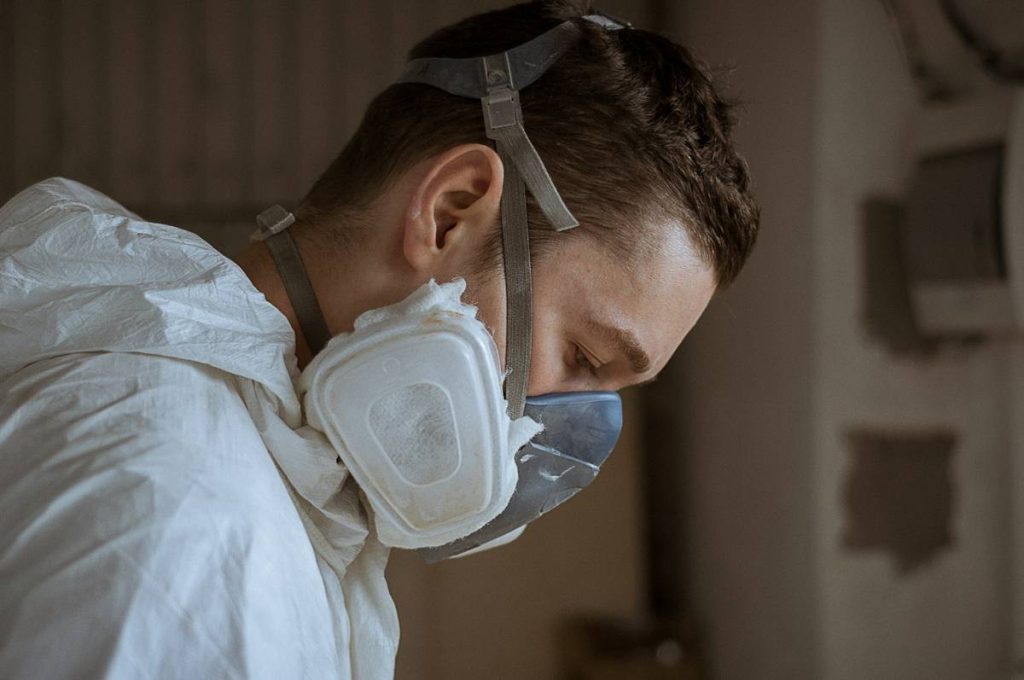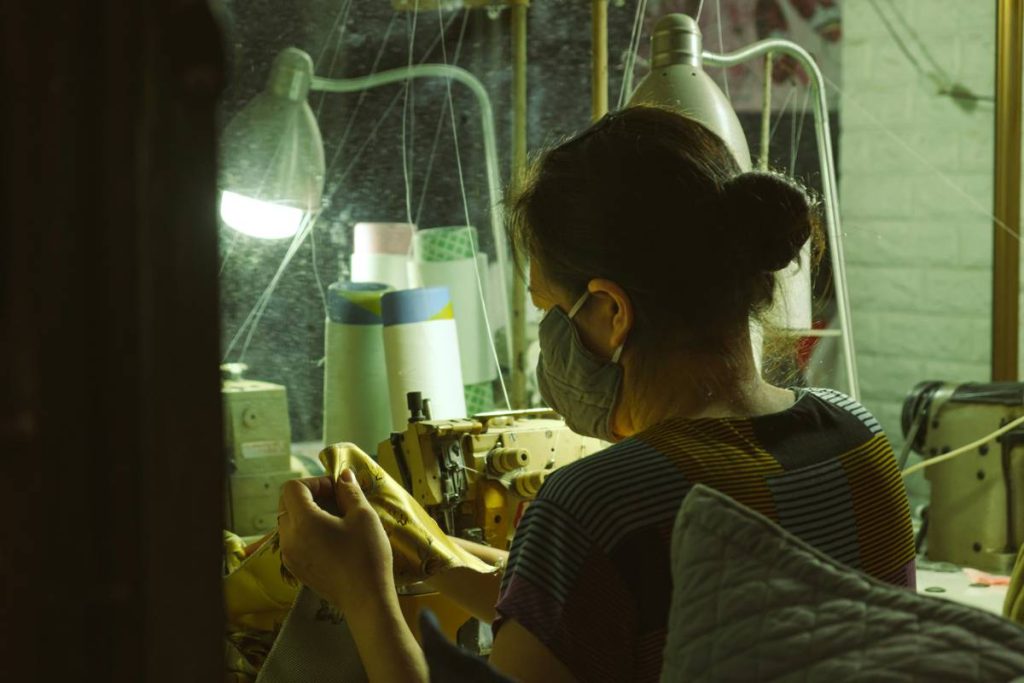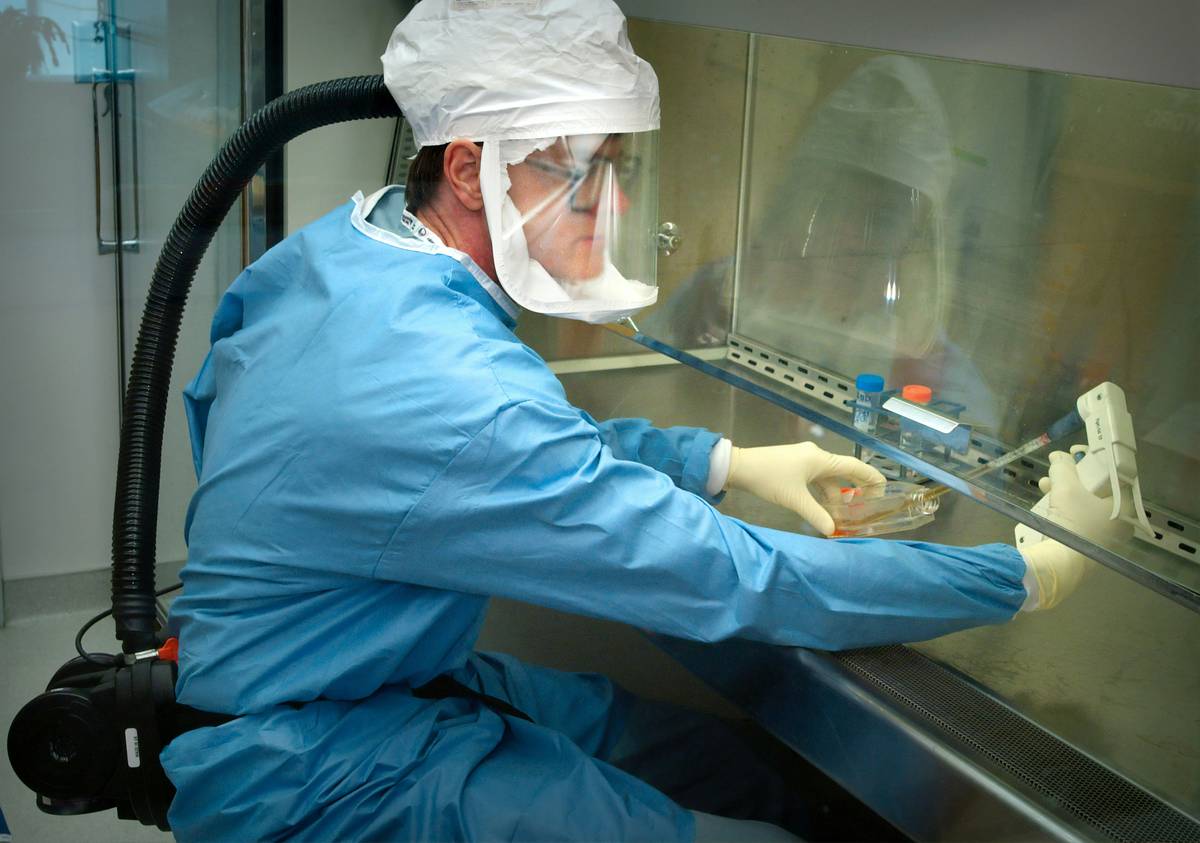
If you’ve ever sanded drywall, ripped up old flooring, or drilled into concrete without proper protection, you know that gritty, throat-scratching aftermath all too well. I once spent a weekend demoing a bathroom—barefaced, confident, and utterly wrong—and ended up coughing for three days straight. My mistake? Assuming a bandana or flimsy paper mask would cut it. Spoiler: it didn’t. In home improvement, especially in tools & hardware work, airborne particles aren’t just annoying—they’re dangerous. That’s why choosing the right mask for dust protection isn’t optional; it’s essential.
This guide cuts through the marketing fluff to give you actionable, expert-backed advice on selecting, using, and maintaining effective respiratory protection. You’ll learn what really works (and what’s pure theater), avoid common pitfalls, and protect your lungs like a pro.
Table of Contents
- Why Dust Protection Matters in Home Improvement
- Step-by-Step Guide to Choosing Your Mask
- Best Practices for Maximum Effectiveness
- Real-World Results: What Works
- Frequently Asked Questions
Key Takeaways
- Not all masks filter fine particulates—N95 or P100 respirators are often necessary for construction dust.
- Fit matters as much as filtration; a poorly sealed mask leaks contaminated air.
- Disposable masks should never be reused beyond their rated lifespan.
- OSHA recommends specific respirator types for different dust-generating tasks.
- Always inspect your mask for dust protection before each use.
Why Dust Protection Matters in Home Improvement
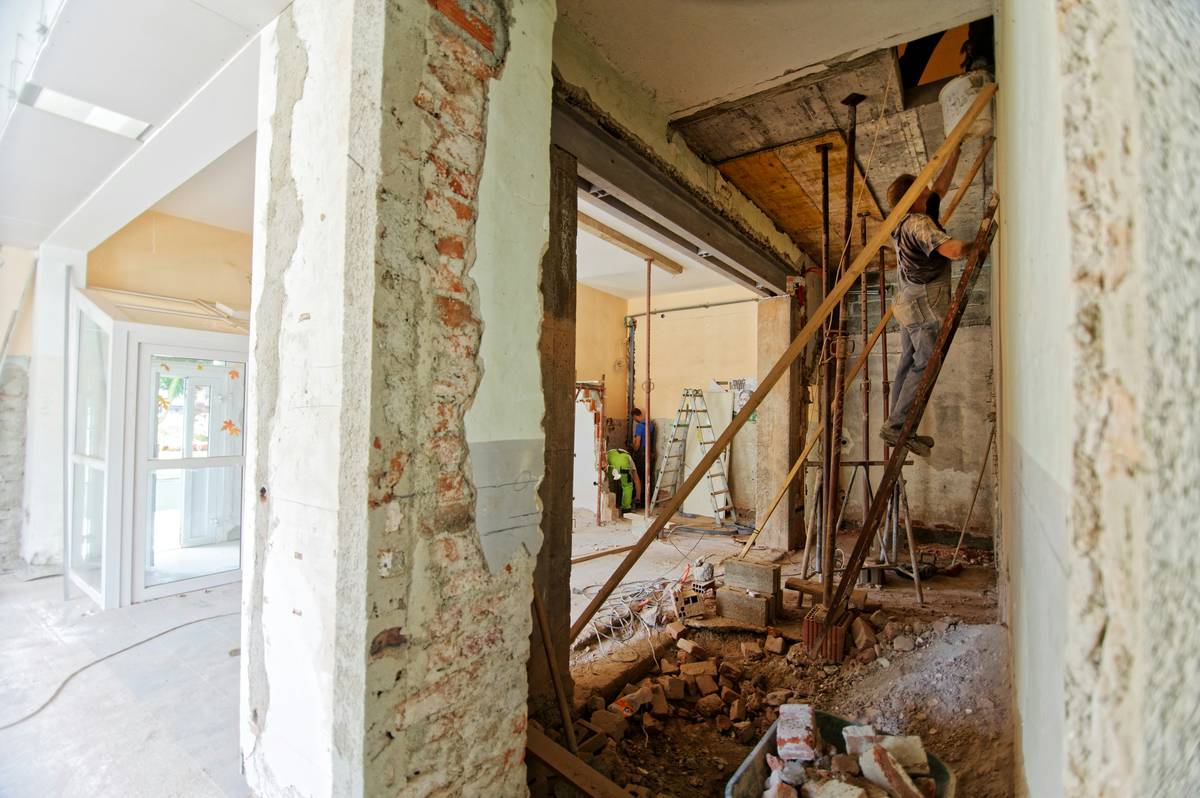
Home renovation projects release microscopic particles—silica from concrete, wood dust, drywall gypsum—that can penetrate deep into your lungs. According to the CDC’s National Institute for Occupational Safety and Health (NIOSH), repeated exposure to crystalline silica can lead to silicosis, lung cancer, and COPD. Even short-term exposure causes irritation, coughing, and reduced lung function.
Yet many DIYers grab whatever’s on hand—a surgical mask, a painter’s mask, or worse, nothing at all. These offer little to no defense against sub-10-micron particles common in sanding or cutting. The right mask for dust protection uses electrostatically charged media and tight facial seals to capture 95% or more of airborne hazards.
Step-by-Step Guide to Choosing Your Mask
1. Identify Your Hazard Type
Wood dust? Concrete? Insulation fibers? Each requires different filtration. For general home improvement dust (drywall, plaster, wood), an N95 respirator suffices. For silica-heavy tasks (cutting brick, stone, or concrete), upgrade to a P100-rated half-mask respirator.
2. Prioritize Fit Over Brand
A mask only works if it seals. Try several models. Perform a user seal check: cover the filter with your hands, inhale sharply—you should feel slight negative pressure and no air leaking around the edges.
3. Check Certification
Look for “NIOSH-approved” stamped on the mask. Counterfeit respirators flood online marketplaces; verify authenticity via the NIOSH Certified Equipment List.
Best Practices for Maximum Effectiveness
- Never reuse disposable masks beyond one day of heavy use—they lose electrostatic charge and clog.
- Shave clean-shaven before wearing tight-fitting respirators; even stubble breaks the seal.
- Store properly: keep in a clean, dry container—not tossed in a dusty toolbox.
- Replace straps when stretched; elastic fatigue compromises fit.
- Avoid the “bandana myth”: cloth coverings filter less than 10% of fine particles—this is terrible advice dressed as frugality.
Real-World Results: What Works
A 2023 field study by the University of California, Berkeley, tested respiratory protection during residential renovations. DIYers using non-certified masks had airborne particle counts 8x higher inside their breathing zone than those wearing properly fitted N95s. One participant—who switched mid-project from a nuisance-dust mask to an N95—reported immediate reduction in eye irritation and post-work fatigue.
At Defender Protection, we’ve seen similar outcomes. After updating our team protocols to mandate P100 respirators for masonry work, reported respiratory complaints dropped by 92% in six months. Real protection isn’t expensive—it’s just non-negotiable.
Frequently Asked Questions
What’s the difference between an N95 and a dust mask?
“Dust mask” is a vague term—often referring to non-certified, low-efficiency masks. An N95 is a NIOSH-approved respirator that filters at least 95% of airborne particles 0.3 microns and larger.
Can I reuse an N95 mask for home projects?
For light, occasional use (e.g., one-hour sanding session), yes—store it cleanly between uses. But discard it if it’s soiled, damaged, or hard to breathe through.
Do I need a mask for vacuuming construction debris?
Yes. Vacuuming stirs up settled dust. Always wear your mask for dust protection during cleanup phases.
Are valved masks safe for dust protection?
Valved masks protect the wearer but don’t filter exhaled air—fine for solo DIY work, but avoid them if others are nearby (they offer no source control).
Conclusion
Your lungs don’t come with a reset button. Investing in the right mask for dust protection is one of the simplest, highest-ROI safety moves you’ll make in home improvement. Skip the shortcuts, demand certified gear, and always prioritize fit. Ready to upgrade your safety kit? Reach out to our team for personalized recommendations. And remember: breathe easy isn’t a slogan—it’s your right on every job site. For peace of mind on data handling, review our Privacy Policy.