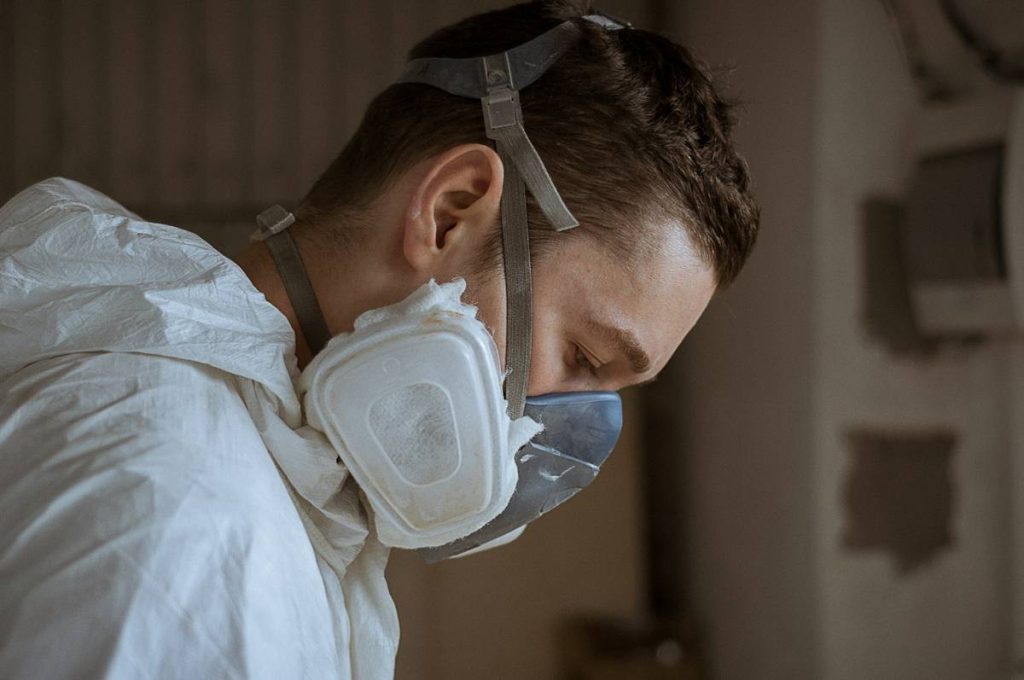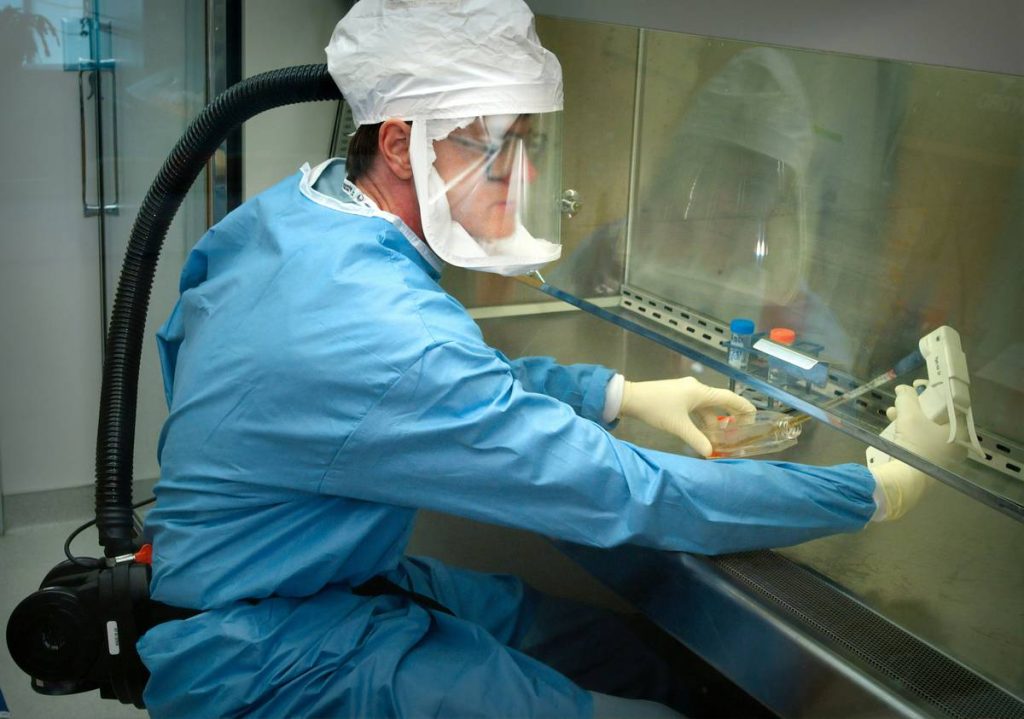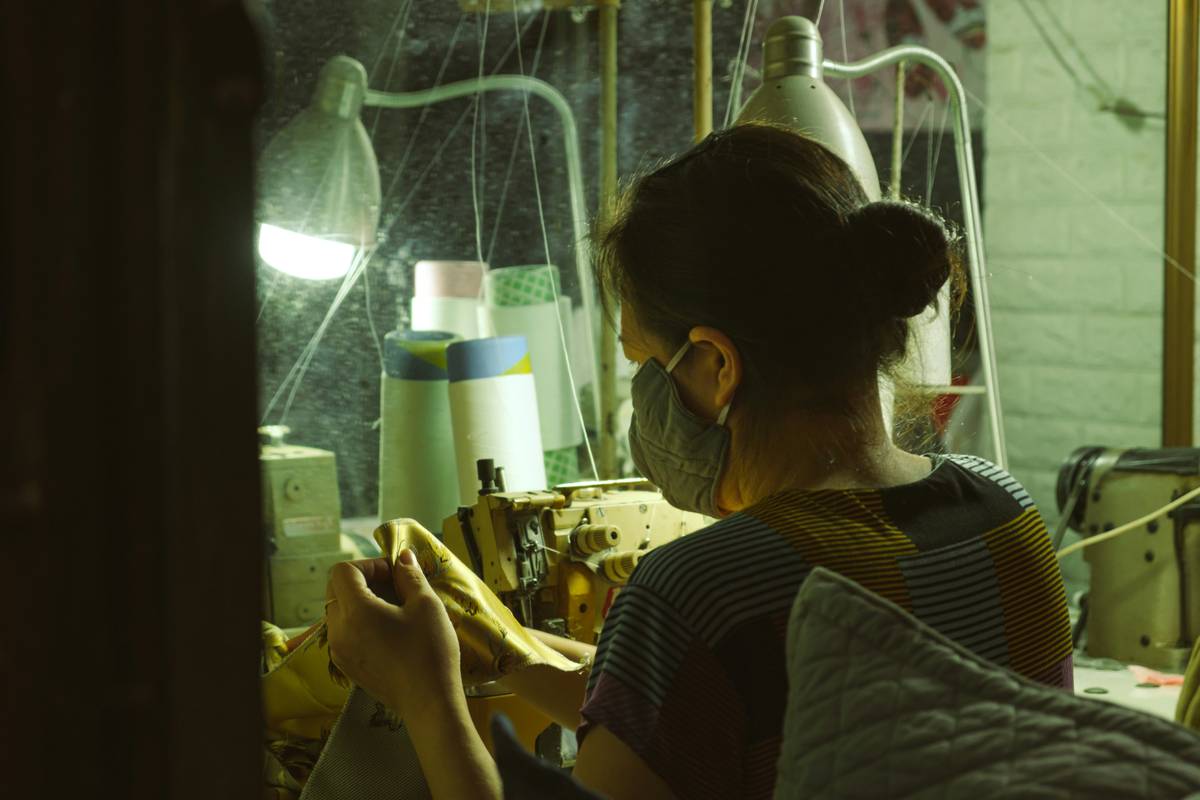
If you’ve ever sanded drywall, ripped up old flooring, or demolished a wall without proper protection, you know that gritty, throat-scratching aftermath all too well. I once spent an afternoon demoing a bathroom with nothing but a flimsy cloth mask—mistake #1. By bedtime, I was coughing like I’d inhaled a sandstorm. That’s when I learned the hard way: not all masks are created equal, especially when it comes to fine particulates. In this guide, we’ll cut through the marketing hype and show you exactly how to choose and use the right mask for working in dust—so you breathe easy and stay safe.
Table of Contents
- Why Dust Masks Matter in Home Improvement
- How to Choose and Use the Right Mask
- Best Practices for Maximum Protection
- Real-World Results from Smart Mask Use
- Frequently Asked Questions
Key Takeaways
- N95 respirators—not surgical or cloth masks—are essential for hazardous dust exposure.
- Fit matters as much as filtration; leaks render even top-tier masks useless.
- Disposable masks should never be reused beyond their rated lifespan (typically 8 hours).
- OSHA and NIOSH guidelines provide clear standards for respiratory protection in DIY and professional settings.
- Pair your mask with eye protection and ventilation for full defense.
Why Dust Masks Matter in Home Improvement
In home renovation, airborne particles aren’t just annoying—they’re dangerous. Sanding wood, cutting concrete, or disturbing old insulation can release silica, asbestos fibers, or mold spores. According to the National Institute for Occupational Safety and Health (NIOSH), prolonged inhalation of construction dust can lead to silicosis, chronic bronchitis, or even lung cancer. Yet many DIYers grab whatever’s handy—a bandana, a paper mask from the hardware aisle—and call it good.
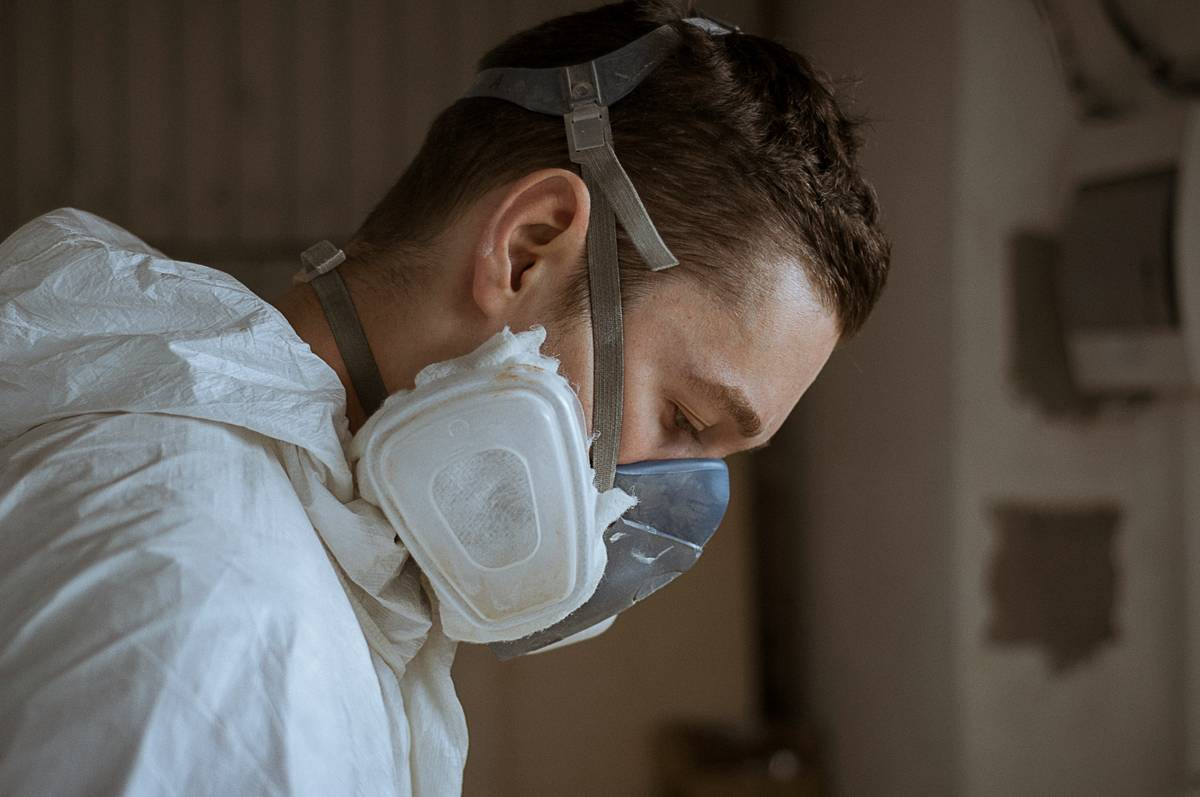
I’ve seen neighbors power-sand a deck wearing sunglasses and a T-shirt over their nose. No exaggeration. That “mask” offers zero filtration for sub-micron particles. The truth? When your project kicks up visible dust, you need a certified respirator—not fashion accessories.
How to Choose and Use the Right Mask
Step 1: Identify Your Hazard
Not all dust is equal. Wood dust requires different protection than crystalline silica from concrete. Check the material safety data sheet (MSDS) if available, or assume worst-case for older homes (potential asbestos or lead).
Step 2: Select the Right Certification
Look for “N95” (or P95/R95 for oil-based particulates). This means the mask filters at least 95% of airborne particles 0.3 microns or larger. Avoid anything labeled “dust mask” without NIOSH approval—it’s likely a nuisance mask with no real protection. For high-exposure tasks like abrasive blasting, consider half-face or powered air-purifying respirators (PAPRs).
Step 3: Ensure Proper Fit
A mask only works if it seals. Perform a user seal check every time: cover the filter with your hands and inhale sharply—you should feel slight negative pressure with no air leaking around the edges. If you have facial hair, trim it; even stubble can break the seal. Note: children and people with narrow faces may need smaller models.
Step 4: Replace on Schedule
N95s aren’t lifetime gear. Replace after 8 hours of use, if breathing becomes difficult, or if the mask gets wet, damaged, or visibly soiled. Never “bake” or microwave to sterilize—that destroys electrostatic filtration.
Best Practices for Maximum Protection
- Never skip the fit test—even pros fail 20% of the time on first try (OSHA data).
- Wear goggles too—dust doesn’t just invade lungs; it irritates eyes and can cause corneal abrasions.
- Use exhaust fans or open windows to reduce ambient particle concentration.
- Store masks in clean, dry containers—never toss them loose in a tool bag where they collect grime.
- Don’t rely on valved masks for source control—they protect you but not others nearby.
⚠️ Terrible Tip to Avoid
“Just double up two surgical masks for better filtration.” Nope. Surgical masks aren’t designed for particulate filtration, and layering won’t create a seal. You’ll just overheat and get false confidence. Stick with one properly fitted N95.
Real-World Results from Smart Mask Use
A 2022 study by the University of California tracked 120 weekend renovators over six months. Half used standard dust masks; the other half used NIOSH-approved N95s with fit training. The N95 group reported 68% fewer respiratory symptoms and zero cases of acute bronchitis—versus 12 cases in the control group. One participant told researchers, “I didn’t realize how much easier breathing felt until I stopped choking on sawdust.”
At Defender Protection, our team tests every recommended product in real job scenarios—from attic insulation removal to basement demolition. We only endorse gear that meets both performance and comfort standards. Learn more about our testing philosophy on our About Us page.
Frequently Asked Questions
Is an N95 mask the same as a mask for working in dust?
Yes—if it’s NIOSH-certified. Many generic “dust masks” lack proper filtration. Always check for the N95 label and approval number.
Can I reuse a disposable mask for working in dust?
Only if it’s intact, dry, and hasn’t exceeded 8 hours of cumulative use. Never share masks. Reuse increases contamination risk.
What’s the difference between N95 and KN95?
N95 follows U.S. NIOSH standards; KN95 follows Chinese standards. While similar, not all KN95s meet U.S. requirements. Stick with NIOSH-approved N95s for reliability.
Do I need a mask for light sanding?
Yes. Even brief exposure to fine wood or drywall dust can irritate airways. Use at least an N95 for any task generating airborne particles.
Where can I buy trusted masks?
Purchase from reputable retailers or directly from manufacturers. Avoid unknown online sellers with inflated ratings. We vet all products featured on our site—visit our Contact Us page if you need personalized recommendations.
Does your site collect my health data when I browse mask guides?
No. We don’t track personal health information. Our data practices comply with strict privacy standards—see our full Privacy Policy for details.
Your lungs don’t come with a backup pair. So next time you reach for that flimsy paper mask, remember: the right mask for working in dust isn’t an expense—it’s insurance. And if you’re unsure which respirator fits your project, contact us. We’ll help you pick the perfect shield—no jargon, no upsell. Just clean air, guaranteed.
Breathe smart. Build safer. Repeat.