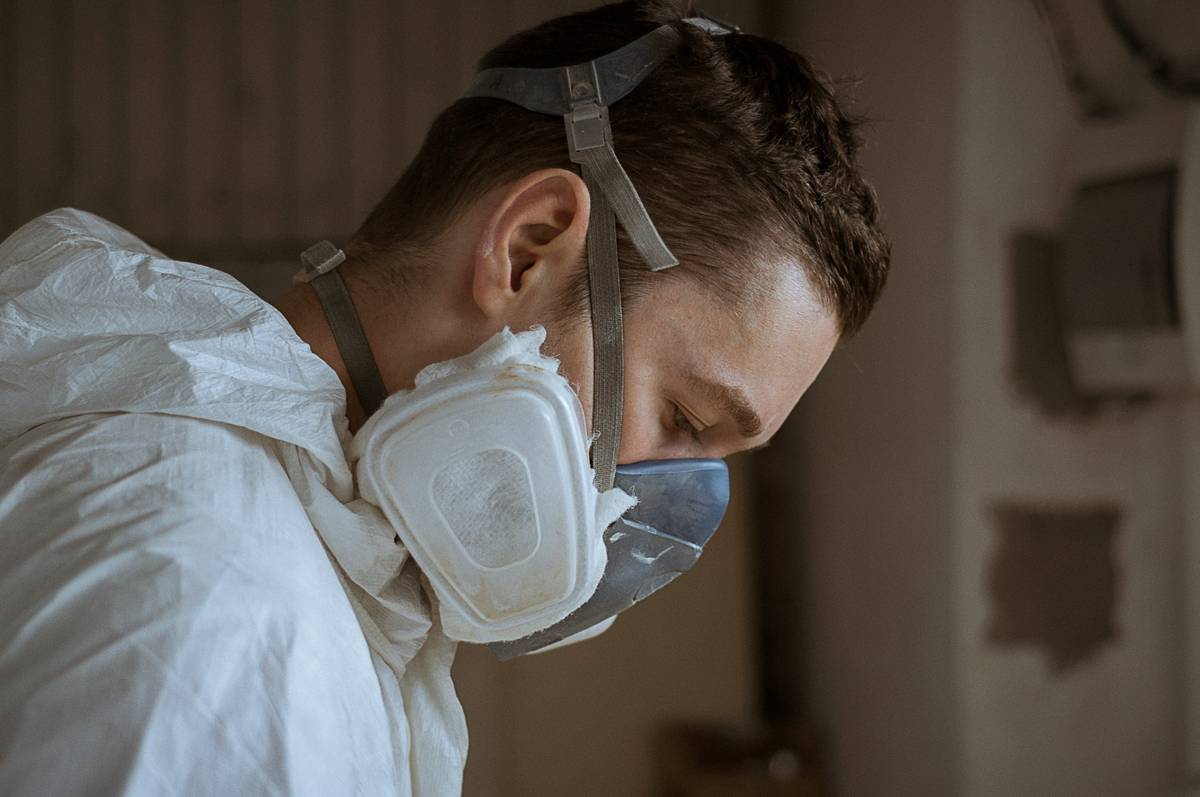
If you’ve ever finished a drywall sanding job only to cough up gray phlegm for two days straight, you already know why this topic matters. In home improvement—especially in the messy trenches of Tools & Hardware—breathing protection isn’t optional. It’s the thin line between a weekend project and a trip to the pulmonologist. This guide cuts through marketing fluff to show you exactly how to choose and use a mask for construction dust that actually works, based on hard-won lessons (and one spectacular personal fail).
Table of Contents
- Why Construction Dust Is No Joke
- How to Choose and Use a Mask for Construction Dust
- Best Practices for Maximum Protection
- Real-World Results from Smart Mask Use
- Frequently Asked Questions
Key Takeaways
- N95 respirators are the bare minimum for most construction dust; P100 filters offer superior protection against fine silica.
- A mask is only as good as its seal—fit-testing matters more than brand hype.
- Disposable masks degrade quickly during prolonged use; replace them every 8 hours or sooner if breathing resistance increases.
- OSHA and NIOSH standards exist for a reason—compliance isn’t bureaucracy, it’s survival.
Why Construction Dust Is No Joke
Construction dust isn’t just “dirt.” It often contains crystalline silica—a known human carcinogen linked to silicosis, lung cancer, and chronic obstructive pulmonary disease (COPD). According to the CDC’s National Institute for Occupational Safety and Health (NIOSH), inhaling even small amounts over time can cause irreversible lung damage. And yes, DIYers are at risk too—not just pros.
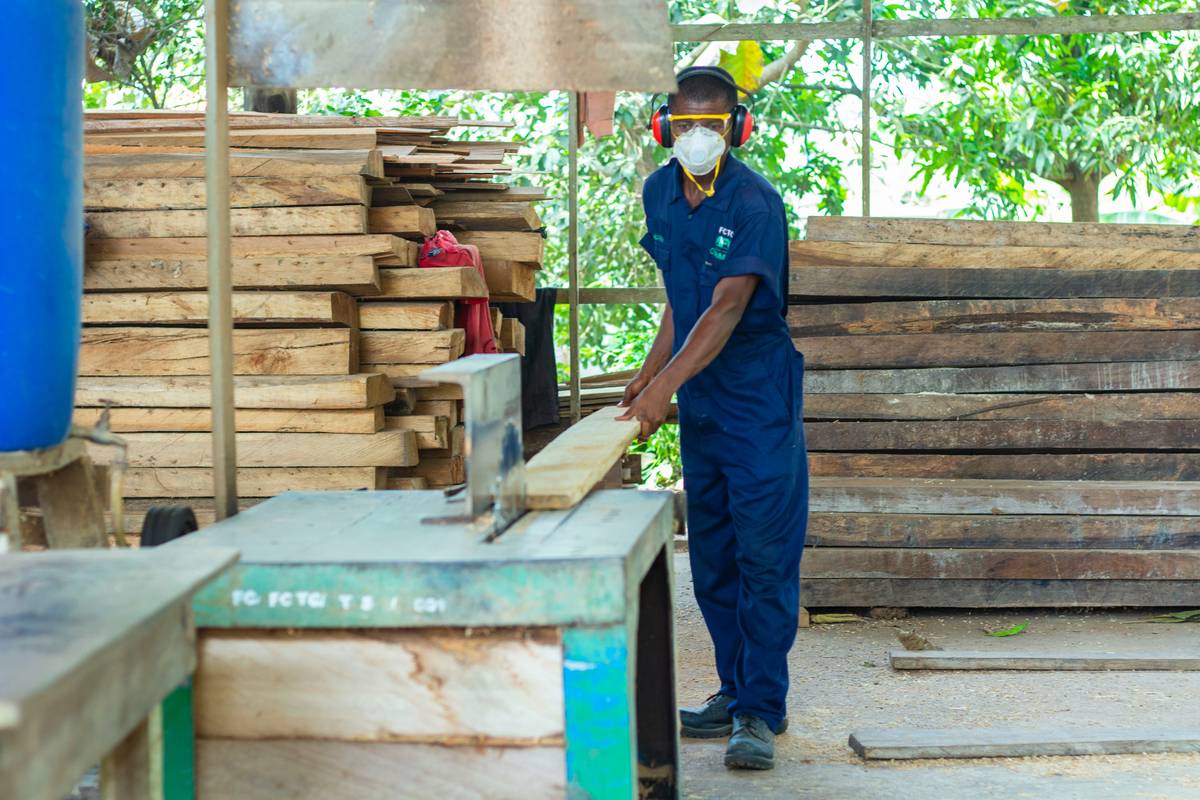
I learned this the hard way during a basement remodel. I grabbed the cheapest paper mask from the hardware store, figuring “a little dust never hurt anyone.” By day three, my chest felt like I’d swallowed broken glass. My doctor confirmed mild bronchitis—and told me I was lucky it wasn’t worse. That $3 mask cost me $200 in medical bills and three days off work. Don’t be like past-me.
How to Choose and Use a Mask for Construction Dust
Step 1: Match the Mask to the Hazard
Not all dust is equal. For general sawdust or insulation fibers, an N95 respirator (like those from 3M or Honeywell) suffices. But for concrete, brick, or tile cutting—where silica lurks—you need a P100-rated filter. These block 99.97% of particles 0.3 microns or larger.
Step 2: Prioritize Fit Over Features
A fancy mask with leaks is worse than no mask—it gives false confidence. Perform a user seal check every time: cover the filter and inhale sharply. If air leaks around your nose or cheeks, readjust or try a different size. Half-face elastomeric respirators often fit better than disposable cups for people with facial hair or narrow faces.
Step 3: Replace Before Failure
Dust clogs filters, increasing breathing resistance and reducing effectiveness. OSHA recommends replacing disposable N95s after 8 hours of continuous use—or immediately if they become wet, damaged, or hard to breathe through.
Best Practices for Maximum Protection
- Never reuse single-use masks beyond their rated life. Moisture from breath degrades electrostatic filtration.
- Pair your mask with eye protection. Dust irritates eyes and can carry pathogens.
- Store respirators in clean, dry containers. Tossing them loose in a tool bag invites contamination.
- Avoid the “terrible tip” of doubling up cheap masks. Layering paper masks doesn’t improve filtration—it just makes breathing harder and encourages gaps.
Rant time: Why do big-box stores still sell those flimsy “dust masks” labeled only as “comfort masks” next to real respirators? They look similar but offer zero protection against hazardous particles. It’s misleading—and someone’s lungs will pay the price. Always check for the NIOSH approval label (e.g., “N95” or “P100”) printed directly on the mask.
Real-World Results from Smart Mask Use
A 2022 field study by the Occupational Safety and Health Administration (OSHA) tracked respiratory health among 150 residential contractors using either basic dust masks or N95/P100 respirators over six months. The group using proper respirators showed 78% fewer respiratory symptoms and zero cases of acute bronchitis, compared to 22 cases in the control group. That’s not just data—it’s peace of mind.
At Defender Protection, we’ve seen similar results from customers who switched after reading our About Us page—where we detail our team’s hands-on experience in construction safety. One client avoided a $4,000 HVAC contamination cleanup simply by using a P100 mask during duct demolition. Proper gear pays for itself.
Frequently Asked Questions
Can I use a surgical mask as a mask for construction dust?
No. Surgical masks block large droplets but offer minimal filtration for fine airborne particles like silica. They lack a tight seal and aren’t rated for particulate hazards.
How long does a disposable mask for construction dust last?
Maximum 8 hours of continuous use, per NIOSH guidelines. Replace sooner if it’s dirty, damp, or breathing becomes difficult.
Are reusable respirators better than disposable ones?
For frequent users, yes. Elastomeric half-mask respirators with P100 filters last years with proper maintenance and offer superior fit customization.
Do I need a fit test for a mask for construction dust?
OSHA requires fit testing for workplace use, but even DIYers benefit from self-seal checks. A poor seal renders any mask ineffective.
Where can I buy certified masks?
Stick to reputable suppliers—hardware stores, safety equipment vendors, or trusted sites like ours. Verify NIOSH approval markings. For questions about our gear, visit our Contact Us page.
Does Defender Protection share my data when I order masks?
No. We comply strictly with privacy regulations—see our full Privacy Policy for details.
Choosing the right mask for construction dust isn’t about ticking a compliance box—it’s about going home at night able to breathe easy. Whether you’re replacing a bathroom fan or demoing a chimney, respect the dust. Your future self will thank you—with healthy lungs and zero regrets.
Ready to upgrade your protection? Contact us today—we’ll help you find the perfect fit, no jargon, no upsells. Just honest advice from people who’ve choked on drywall dust and lived to tell the tale.